

The SMSNA periodically receives and publishes ‘guest editorials.’ The current article was submitted by Mia Barnes, a freelance writer and researcher who specializes in women's health, wellness, and healthy living. She is the Founder and Editor-in-Chief of Body+Mind Magazine
Sexual desire and function are often talked about in terms of hormones, stress or relationship dynamics. While all of those matter, they’re only part of the picture. An often-overlooked factor is metabolic health, which plays a quiet but influential role in sexual desire and function.
Metabolic health refers to how well your body manages things like blood sugar, cholesterol, blood pressure and fat storage. When these systems are working well, the body is better equipped to support hormone balance, circulation and energy levels. All of those are essential for a healthy sex life.
1. Metabolic Health Supports Healthy Hormone Production
Hormones such as testosterone and estrogen are closely tied to metabolic processes. When blood sugar is unstable or insulin resistance develops, hormone signaling can become disrupted. This can lead to lower testosterone levels in men and hormonal imbalances in women that affect desire, arousal and comfort during sex.
These changes aren’t always dramatic at first. Many people notice subtle shifts, such as reduced interest in sex or less consistent arousal, before any major health diagnosis appears.
2. Insulin Resistance Can Interfere With Sexual Function
Insulin resistance does more than affect energy and weight. It can also impair how the body uses hormones and delivers nutrients to tissues. Over time, this can impact your sexual response.
For some people, sexual dysfunction becomes an early sign that metabolic health is declining. It’s often one of the first areas where the body signals that something is off.
3. Blood Flow Plays a Major Role in Arousal
Healthy circulation is essential for sexual function. Arousal depends on the ability of blood vessels to expand and deliver blood efficiently to the sexual organs. Conditions linked to poor metabolic health, such as high blood pressure or elevated cholesterol, can damage blood vessels and reduce blood flow.
This can make erections harder to achieve or maintain and can also affect sensitivity and arousal in women. In many cases, these changes are physical rather than psychological.
4. Obesity Places Added Strain on the Body
Obesity is closely linked to metabolic dysfunction, and it has a measurable impact on sexual health. Estimates indicate that obesity affects more than 650 million adults around the world, making it a widespread issue.
Excess body fat, especially around the abdomen, increases inflammation and disrupts hormone balance. It can also worsen insulin resistance and cardiovascular health, which can reduce sexual desire and performance.
5. Chronic Inflammation Can Reduce Libido
Poor metabolic health is often accompanied by ongoing low-grade inflammation. This type of inflammation doesn’t always cause noticeable symptoms, but it can affect the brain and nervous system over time.
Inflammation can interfere with neurotransmitters involved in pleasure and motivation. As a result, sexual desire may gradually decline, even when attraction and emotional connection remain strong.
6.Energy Regulation Affects Sexual Interest
The body prioritizes basic survival needs first. When metabolic health is compromised, energy levels often drop, and fatigue becomes more common. This can naturally reduce interest in sex.
Unstable blood sugar, poor sleep and metabolic stress can all contribute to feeling too drained or unfocused for intimacy. Addressing these issues often leads to improvements that go beyond just energy levels.
7. Small Metabolic Health Changes Can Improve Sexual HealthThe good news is that even modest improvements in metabolic health can make a difference. Better blood sugar control, improved cardiovascular fitness, and reduced inflammation often support healthier hormone levels and circulation.
Sexual health isn’t separate from overall health. In many cases, changes that support metabolic well-being also help restore desire, function and confidence.
The Takeaway
Sexual desire and function are influenced by far more than age or hormones alone. Metabolic health influences how the body responds physically and mentally to intimacy. Supporting metabolic health is about helping the body function fully, including when it comes to sexual well-being.
Resources:
- American Diabetes Association. Sex and Diabetes. American Diabetes Association. https://diabetes.org/health-wellness/sexual-health/sex-diabetes
- Bogacki-Rychlik W., Gawęda K., Bialy M. (2024, January). Neurophysiology of male sexual arousal—Behavioral perspective. Frontiers in Behavioral Neuroscience. https://pmc.ncbi.nlm.nih.gov/articles/PMC10851294/
- Dineen, K. Love Your Research, Love Healthy Bodies: Advancing Obesity and Metabolic Health Research. MLM Medical Labs. https://www.mlm-labs.com/preclinical-models-in-obesity-and-metabolic-research/
- Irvin M.K., Schutz D., Lorenz T.K. (2025, June). Inflammation as a Potential Mechanism Contributing to Sexual Functioning Following Initiation of Gender-Affirming Hormone Therapy. Current Sexual Health Reports. https://pmc.ncbi.nlm.nih.gov/articles/PMC11583339/
You may also be interested in...
Did You Know?
What Is Sensate Focus and How Does It Work?
April 13, 2021SMSNA Patients
New Survey Finds Most Adolescents Who Have Labia Minora Surgery Are Satisfied
May 4, 2021Did You Know?
Outercourse
March 23, 2021Did You Know?
Alcohol and Temporary Erectile Dysfunction
February 2, 2021Did You Know?
Q&A on “Blue Ball” Syndrome
January 20, 2021SMSNA Patients
Benefits of Sexual Activity During COVID-19 Lockdown
February 9, 2021Blog
An Overview of Hard Flaccid Syndrome
March 2, 2021Blog
A Versatile Sex Life May Increase Sexual Satisfaction for Women With Endometriosis
January 25, 2021Other Popular Articles
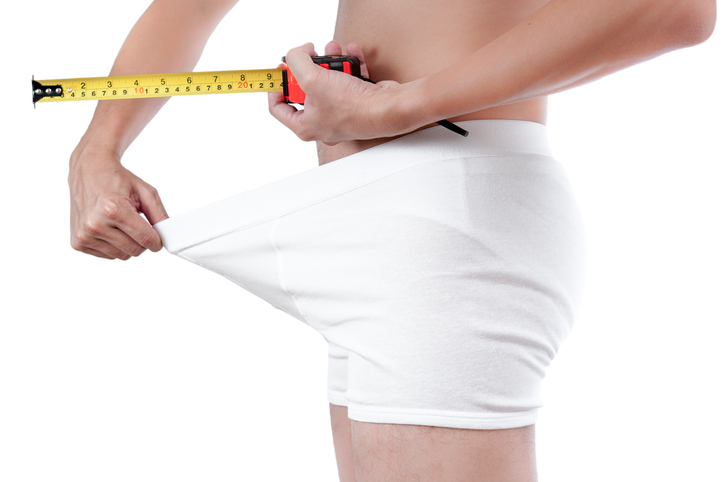
What Is the Average Penis Size?
If you have ever wondered how your penis compares to others in terms of size, you are not alone. Many men are curious to know how their penises stack up compared to the average. Unfortunately, general curiosity can sometimes give way to full-on obsession and anxiety about penis size. This can be an unhealthy and often unnecessary fixation, especially because most men who think their penises are too small have perfectly normal-sized penises.

Can Sex Reduce Menstrual Cramps?
The SMSNA periodically receives and publishes ‘guest editorials.’ The current article was submitted by Mia Barnes, a freelance writer and researcher who specializes in women's health, wellness, and healthy living. She is the Founder and Editor-in-Chief of Body+Mind Magazine.
Having sex while you experience menstrual cramps is healthy and can provide significant benefits. While it might not be the first activity that comes to mind when your PMS or period cramping begins, many people enjoy sex to reduce menstrual cramps, experience increased pleasure and benefit from other advantages. Learn more about having sex while menstrual cramps are happening and how it can help your body.

What Is Sensate Focus and How Does It Work?
Sensate focus is a technique used to improve intimacy and communication between partners around sex, reduce sexual performance anxiety, and shift away from ingrained, goal-oriented sexual patterns that may not be serving a couple.
What Is Jelqing, and Does It Actually Work?
The term “jelqing” refers to a set of penis stretching exercises that some believe can make the penis bigger. Although the practice has gained attention and popularity in blogs and internet forums in recent years, there is no scientific evidence that it is an effective way to permanently increase the size of one’s penis. In fact, in some cases, jelqing may actually cause damage to the penis, so it is a good idea to get all the facts before setting off to try it.

How Long Does It Take the Average Man to Ejaculate?
On average, it takes a man between 5 to 7 minutes to orgasm and ejaculate during sexual intercourse.
Can Sex Throw off Your Vaginal pH Balance?
The SMSNA periodically receives and publishes ‘guest editorials.’ The current article was submitted by Mia Barnes, a freelance writer and researcher who specializes in women's health, wellness, and healthy living. She is the Founder and Editor-in-Chief of Body+Mind Magazine.
Your vagina is a pretty powerful organ. It is a pathway for menstrual blood and babies. It also is a main player in sexual intercourse. You might hear about your vagina’s pH and worry that yours is at risk. Here’s what to know about vaginal pH, including the impacts sex could have.
Attention: Restrictions on use of SMSNA content in third party applications, including artificial intelligence technologies, such as large language models and generative AI.
You are prohibited from using or uploading content you accessed through this website into external applications, bots, software, or websites, including those using artificial intelligence technologies and infrastructure, including deep learning, machine learning and large language models and generative AI.