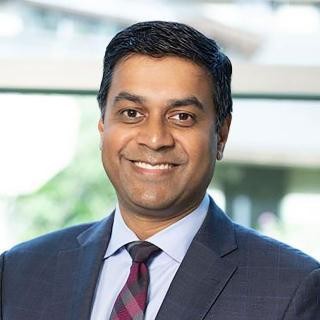
What inspired you to work in sexual medicine?
My training is in reconstructive urology, and I practice in a cancer center environment, where a large part of my work is taking care of patients after cancer treatment, trauma, or prior surgery. In that setting, sexual dysfunction comes up all the time, and it has a real impact on quality of life. You see pretty quickly that there’s a real need for people who are willing to focus on this.
As my prosthetics practice grew, sexual medicine just became part of what I was doing day to day. Along the way, I was welcomed into SMSNA by a group of genuinely good, friendly people who were open about their ideas and experiences, which made it easy to learn, collaborate, and keep improving how I take care of patients.
What is the most rewarding aspect of your career?
I’ve always said that people go into urology because of the people they meet along the way, and that’s definitely been true for me. I’ve been lucky to work with great people day to day, and that’s what I find most rewarding.
I enjoy working through problems with good colleagues and seeing those relationships turn into real work. I’ve been very fortunate.
What is something most people don’t know about you?
Most of my career growth came from relationships rather than careful planning. A lot of the projects I’m most proud of, including work through SMSNA, started from pretty casual conversations with like-minded colleagues.
The other thing people may not realize is how much my family factors into all of this. I’m very much a family guy, and I have a great support system at home. They keep me grounded, and they’re a big part of what keeps me going.
What is the best piece of advice you’ve ever been given?
Early in my career, I was told to “say yes to everything you’re invited to,” and I took that seriously. I said yes a lot, showed up, and focused on doing the work well. That advice opened doors and helped me build trust.
Later, I was also told the opposite: to be more selective and only take on what really matters. The most useful lesson for me has been learning to live between those two pieces of advice. I don’t think either extreme works. What stuck with me is the idea that opportunities come from showing up and that when you commit, you owe people your best.
What would your ideal vacation be?
I love traveling, and I’ve been lucky to see a lot of the world with my family. My ideal vacation is time together somewhere new, with good food and not much of a schedule. I don’t really unplug, but I do dial things back, and that change of pace makes a big difference.
Being able to share those experiences with my family is what makes it special.
- Philadelphia, PA
- Member of the Month: June 2026
Attention: Restrictions on use of SMSNA content in third party applications, including artificial intelligence technologies, such as large language models and generative AI.
You are prohibited from using or uploading content you accessed through this website into external applications, bots, software, or websites, including those using artificial intelligence technologies and infrastructure, including deep learning, machine learning and large language models and generative AI.
Subscribe for our Newsletter!