20 Years of Diabetes Research Provides Interesting Insights for the Risk of ED and LUTS: Insights from the 27th SMSNA Annual Meeting
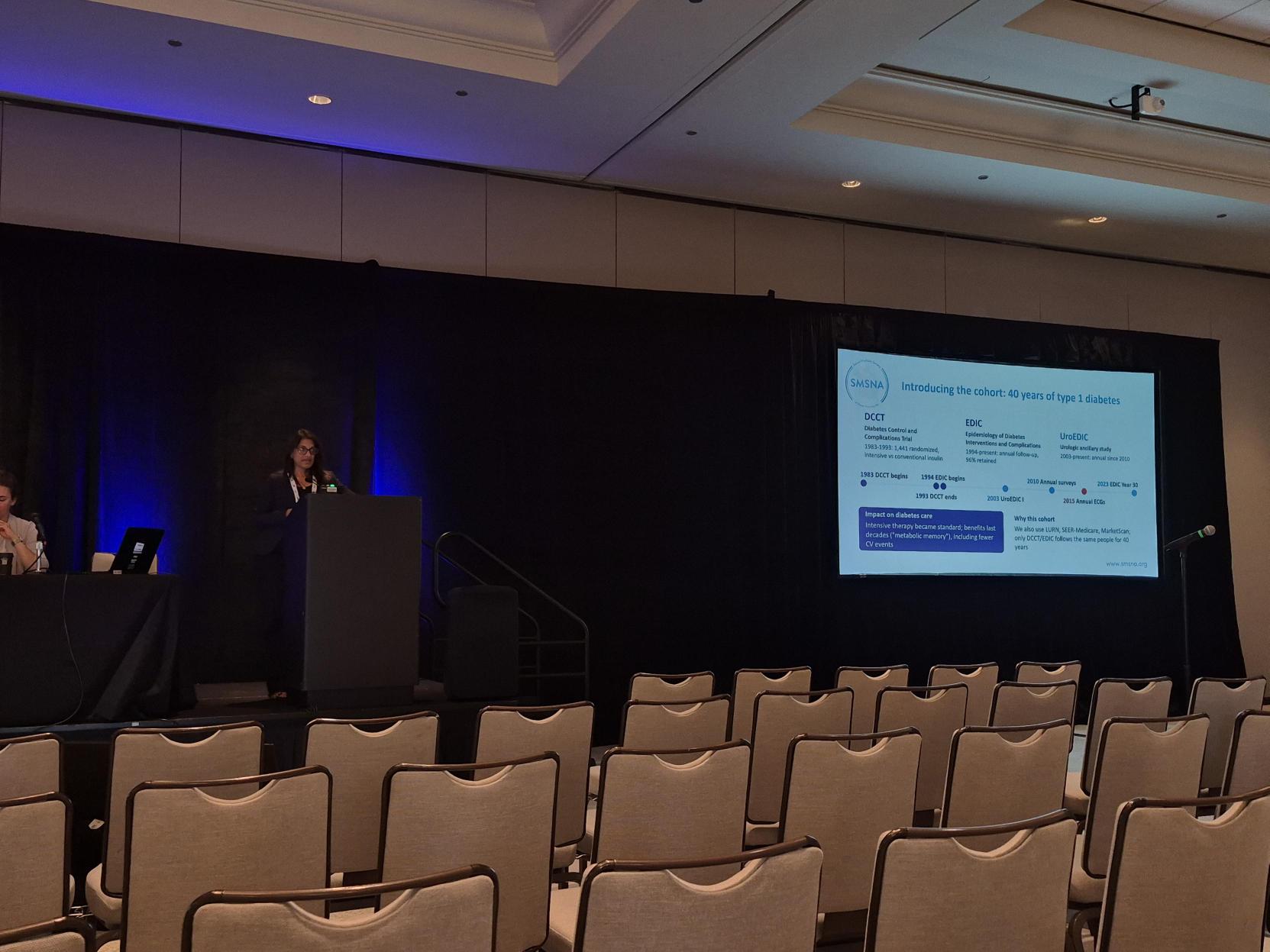
On Friday, October 9, at the 27th Annual SMSNA Fall Scientific Meeting, Dr. Aruna Sarma discussed sexual dysfunction and lower urinary tract symptoms (LUTS) in diabetes, specifically the opportunities and information that can be gathered from UroEDIC. She explained that erectile dysfunction (ED) is one of the leading complications of diabetes, and that glycemia and autonomic neuropathy drive the onset of diabetes-related dysfunction.
Forty years of large diabetes studies have provided some of the richest databases on diabetes. Dr. Sarma says her team has been leveraging existing data to identify urologic complications. Early control of glycemic exposure can positively impact ED and urinary tract infections (UTIs). Despite differences in ED trajectories, autonomic neuropathy appeared to be the biggest predictor of ED in men with diabetes. Type 1 diabetes, specifically, is considered a "clean" model. People with type 1 diabetes may be studied without other comorbidities, such as obesity, and may now be experiencing some of the urologic complications as adults. Dr. Sarma says the key is knowing what questions to ask and how to find the answers.
An interesting part of her research, she says, is that LUTS and ED do not always coexist. LUTS and ED can affect a person independently or together. For 75% of her study population, ED tended to come first. She states that once LUTS develops, it is difficult to eliminate. However, when treating both ED and LUTS, LUTS may improve while ED does not. In women, depression accounts for about half of the association between LUTS and female sexual dysfunction (FSD). A major part of their FSD assessment included pain, which can contribute to depression and further LUTS.
Dr. Sarma concluded with several key takeaways:
-
ED is one of the leading complications of diabetes.
-
LUTS can wax and wane, so treat symptoms and reassess the patient.
-
Glycemia and autonomic neuropathy drive the onset of diabetes-related dysfunction.
-
Routine check-ups should include questions about sexual function.
-
Researchers should combine data sources and large, deeply characterized cohorts to expand the scale of their research.
You may also be interested in...
Other Popular Articles
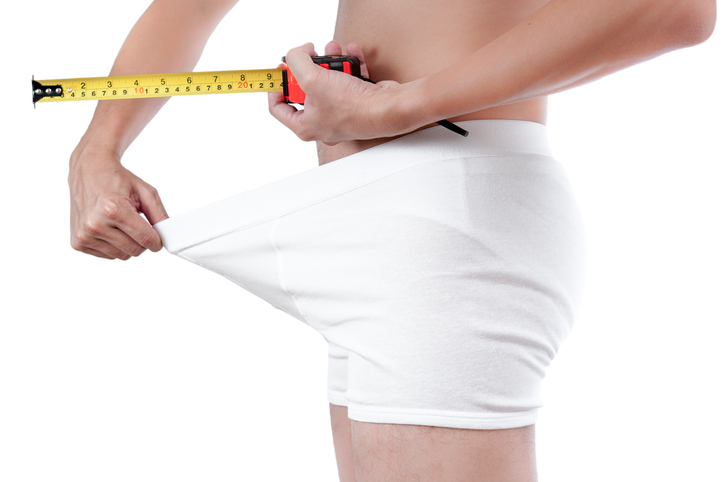
What Is the Average Penis Size?
If you have ever wondered how your penis compares to others in terms of size, you are not alone. Many men are curious to know how their penises stack up compared to the average. Unfortunately, general curiosity can sometimes give way to full-on obsession and anxiety about penis size. This can be an unhealthy and often unnecessary fixation, especially because most men who think their penises are too small have perfectly normal-sized penises.

Can Sex Reduce Menstrual Cramps?
The SMSNA periodically receives and publishes ‘guest editorials.’ The current article was submitted by Mia Barnes, a freelance writer and researcher who specializes in women's health, wellness, and healthy living. She is the Founder and Editor-in-Chief of Body+Mind Magazine.
Having sex while you experience menstrual cramps is healthy and can provide significant benefits. While it might not be the first activity that comes to mind when your PMS or period cramping begins, many people enjoy sex to reduce menstrual cramps, experience increased pleasure and benefit from other advantages. Learn more about having sex while menstrual cramps are happening and how it can help your body.
What Is Sensate Focus and How Does It Work?
Sensate focus is a technique used to improve intimacy and communication between partners around sex, reduce sexual performance anxiety, and shift away from ingrained, goal-oriented sexual patterns that may not be serving a couple.
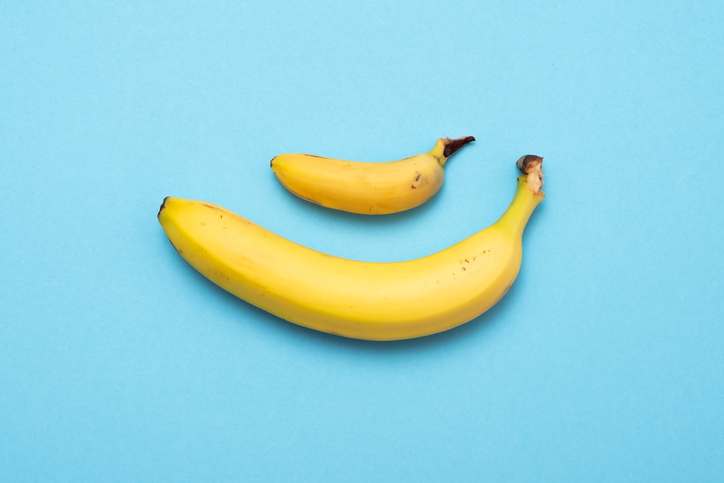
What Is Jelqing, and Does It Actually Work?
The term “jelqing” refers to a set of penis stretching exercises that some believe can make the penis bigger. Although the practice has gained attention and popularity in blogs and internet forums in recent years, there is no scientific evidence that it is an effective way to permanently increase the size of one’s penis. In fact, in some cases, jelqing may actually cause damage to the penis, so it is a good idea to get all the facts before setting off to try it.

How Long Does It Take the Average Man to Ejaculate?
On average, it takes a man between 5 to 7 minutes to orgasm and ejaculate during sexual intercourse.
Can Sex Throw off Your Vaginal pH Balance?
The SMSNA periodically receives and publishes ‘guest editorials.’ The current article was submitted by Mia Barnes, a freelance writer and researcher who specializes in women's health, wellness, and healthy living. She is the Founder and Editor-in-Chief of Body+Mind Magazine.
Your vagina is a pretty powerful organ. It is a pathway for menstrual blood and babies. It also is a main player in sexual intercourse. You might hear about your vagina’s pH and worry that yours is at risk. Here’s what to know about vaginal pH, including the impacts sex could have.
Attention: Restrictions on use of SMSNA content in third party applications, including artificial intelligence technologies, such as large language models and generative AI.
You are prohibited from using or uploading content you accessed through this website into external applications, bots, software, or websites, including those using artificial intelligence technologies and infrastructure, including deep learning, machine learning and large language models and generative AI.
Subscribe for our Newsletter!